
The modern home is a marvel of convenience, with its complex network of hidden supply lines and waste drains often taken for granted until a pipe fracture occurs. Such failures can lead to high costs beyond the technician’s, including damaged hardwood floors, warped cabinets, mold issues, and the loss of irreplaceable belongings. Additionally, a flood may displace your family for weeks while cleanup occurs.
Savvy homeowners understand the importance of proactive maintenance. By treating the hidden water systems as valuable assets that require care, you can prevent costly emergencies. This guide will provide you with essential habits and techniques to protect your investment and maintain control over your home’s structure.
Monitoring the Vitals: Daily Habits That Protect Your Pipes from Hidden Strain
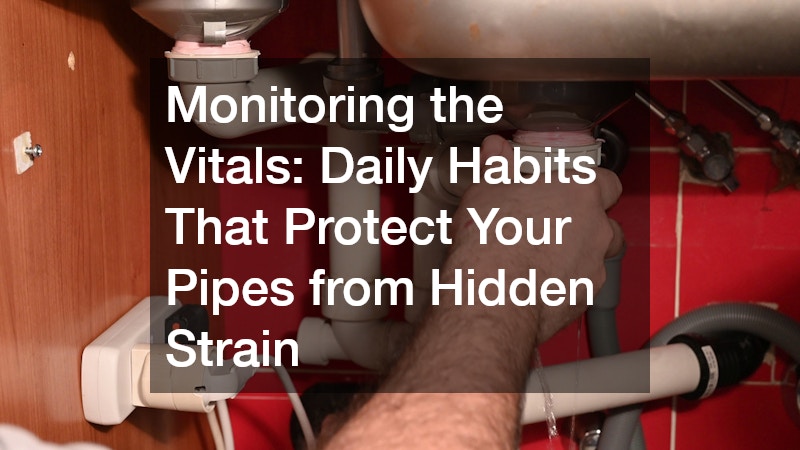
Preventing major household issues doesn’t require engineering expertise; it starts with managing the daily stresses on your water lines. Catastrophic failures often result from years of overlooked pressures that weaken joints and degrade pipes.
A common cause of pipe degradation is excessively high municipal water pressure. While high pressure may enhance your shower experience, it continuously stresses plumbing components. Water pressure over eighty pounds per square inch can damage supply lines, soldered joints, appliance valves, and lead to tiny leaks. Property owners should get an inexpensive pressure gauge, check their water pressure, and if it exceeds safety limits, install a pressure-reducing valve at the main entry line.
In addition to managing physical pressure, savvy homeowners must be incredibly vigilant about what enters their drainage infrastructure:
- The Danger of Chemical Cleansers: When a sink slows down, many people automatically reach for a bottle of liquid chemical drain cleaner. These aggressive formulas rely on harsh exothermic reactions to burn through hair and grease blocks. Unfortunately, that intense chemical heat also bakes plastic pipes and actively corrodes older copper or cast-iron lines from the inside out, leading to hidden structural collapse within your walls.
- The Kitchen Grease Trap: Pouring hot cooking oils, bacon fat, or meat grease down the kitchen sink is a guaranteed recipe for a major disaster. As the grease cools down inside the dark underground plumbing, it solidifies into a rock-hard mass known as a fatberg, which traps food particles and eventually chokes off all water flow from the house.
- The Garbage Disposal Illusion: A disposal unit is designed to grind up small, residual food particles left on plates, not to act as a secondary trash can. Fibrous foods like celery stalks, onion skins, coffee grounds, and potato peels should never enter the unit, as they quickly weave into thick clogs or form a paste that seizes up drainage traps.
To establish a healthy baseline for your home’s home’sal water systems, it is highly beneficial to partner with a reputable plumbing company during a quiet season. Having an expert look over your water heaters, shutoff valves, and structural connections allows you to fix minor issues before they disrupt your life. Investing time in evaluating your total residential plumbing system ensures that you are treating the root causes of systemic wear rather than just throwing temporary bandages at recurring symptoms.
Catching Cracks Early: Shifting from Reactive Fixes to Scheduled Diagnostics
A reactive approach to home maintenance means waiting for water to start dripping through your dining room ceiling before taking action. A proactive homeowner, however, utilizes periodic self-checks and advanced diagnostics to catch microscopic structural weak points long before they can cause major property damage. Water is incredibly opportunistic; if there is a tiny structural flaw in a pipe wall, the constant pressure of your water system will eventually force a way out.
You can perform a highly effective diagnostic check using your property’s meter. Pick a two-hour window over the weekend when no one in the household will be using water—ensure the washing machine is off, the dishwasher is idle, and no one flushes a toilet. Locate your main water meter box and note the exact configuration of the numbers or the position of the small, triangular low-flow indicator dial. After two hours of absolute water isolation, check the meter again. If the indicator dial has moved or the numbers have advanced, you have an active, hidden leak somewhere within your walls or underground lines that requires immediate attention.
While self-checks are useful, a truly robust preventative strategy relies on advanced technology brought to the table by specialized technicians. Professional diagnostics can reveal hidden structural vulnerabilities that escape the untrained human eye:
- Acoustic Leak Detection: Professionals utilize highly sensitive ground microphones and electronic listening gear to pinpoint the precise sound of pressurized water escaping from pipes buried deep beneath concrete floor slabs or behind heavy tile walls.
- Thermal Imaging Technology: Infrared cameras allow inspectors to see right through drywall by detecting subtle differences in temperature. Because wet building materials retain heat differently than dry wood or plaster, an infrared scan can instantly map out the exact path of a hidden leak.
- Moisture Metering: Handheld precision sensors are pressed into areas around structural walls, tubs, and showers to measure the moisture percentage of the underlying framing, identifying hidden failures before rot sets in.
Homeowners who prioritize scheduling routine, thorough plumbing inspections save thousands of dollars over the lifespan of their property by neutralizing minor vulnerabilities before they escalate. Catching a corroded water heater nipple or a pinhole joint leak early allows you to schedule a clean, localized plumbing repair during normal business hours, completely bypassing the chaotic mess and astronomical expenses associated with an emergency weekend callout.
Underground Surveillance: Protecting Your Home from Catastrophic Sewer Backups
While a supply line leak can damage your drywall, a main sewer line failure represents a completely different level of property devastation and health hazard. A main sewer backup occurs when the primary horizontal waste pipe running underneath your yard becomes completely blocked. When this happens, every single gallon of wastewater flushed down an upper-floor toilet or drained from a washing machine has nowhere to go externally. Instead, the raw sewage forces its way backward through the lowest openings in the house, erupting out of basement floor drains, showers, and toilets.
The primary culprit behind underground mainline failures is the slow, relentless intrusion of mature tree roots. Trees feature expansive, underground root systems that are hardwired to search for moisture, nutrients, and oxygen. The warm, nutrient-rich water flowing through your main sewer line creates an irresistible target. If your underground pipes are constructed of older clay tiles, concrete, or cast iron, small structural shifts over decades can create tiny hairline fractures at the pipe joints. Tree roots will find these microscopic gaps, push their way inside, and expand rapidly. Within a few years, a single root hair can transform into a dense, solid mat that catches toilet paper and grease, forming an impassable structural barrier.
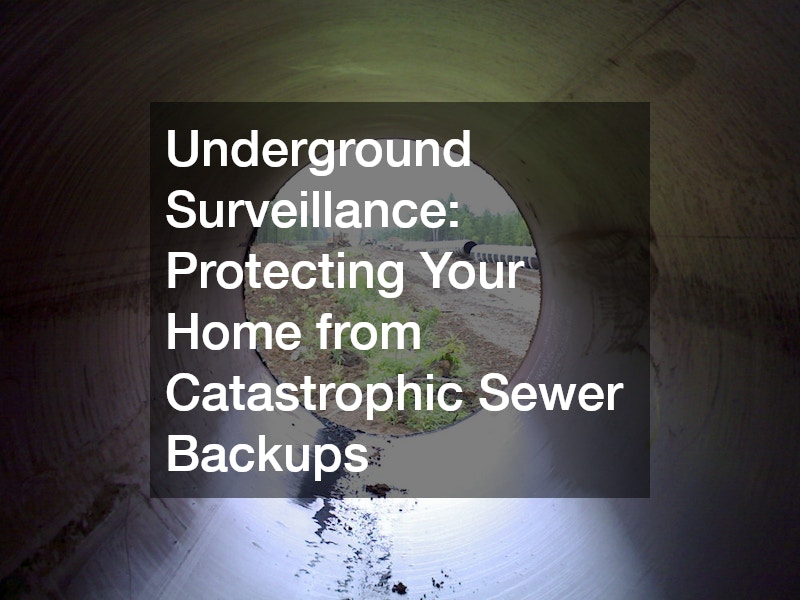
To prevent these subterranean nightmares from breaching your living space, savvy property owners look to modern diagnostic technologies. Investing in routine CCTV sewer inspections is the gold standard for mainline defense. During this process, a technician feeds a flexible, high-resolution fiber-optic video camera directly down your cleanout access point. As the camera travels down the line toward the municipal main, it sends a real-time, high-definition video feed to a monitor above ground, allowing the operator to inspect every inch of the pipe’s pipe’sal wall.
This visual surveillance allows you to see exactly what is happening under your lawn without digging up a single blade of grass. If the video reveals structural cracks, sagging pipe bellies, or heavy root intrusion, you can take immediate action to clear the line using high-pressure hydro-jetting or mechanical augers. If the pipe wall has suffered a structural collapse, addressing that deep underground failure through a targeted plumbing repair allows you to structurally restore your main waste line before a catastrophic backup ruins your entire home.
Off-Grid Care: Essential Maintenance Guidelines for Private Waste Systems
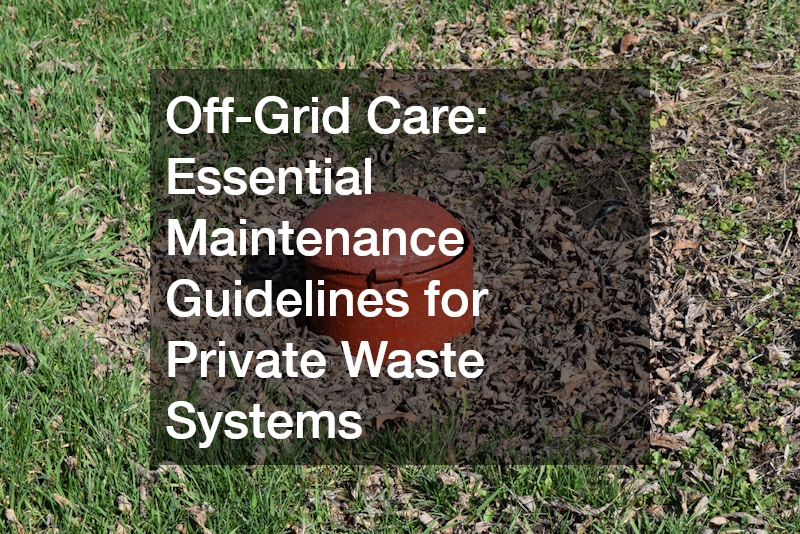
While municipal sewer connections handle waste automatically once it leaves the property line, millions of suburban and rural homes operate on private, self-contained waste management systems. Managing an off-grid septic system requires an entirely different set of operational rules and a heightened level of homeowner discipline, as a single system failure can contaminate local groundwater and cost tens of thousands of dollars to fully replace.
A septic system is not merely a passive holding tank; it is a live, delicate biological ecosystem. The system relies entirely on specific strains of anaerobic bacteria inside the tank to actively break down solid waste, liquefy organic matter, and clarify the wastewater before it is discharged into an underground drainfield. When a homeowner alters this delicate chemical balance, the entire system can quickly collapse. Pouring antibacterial soaps, heavy chemical toilet bowl cleaners, chemical paints, or common household bleach down the drain kills off the helpful bacteria. Without these microscopic organisms to digest the solids, the tank fills rapidly, causing thick sludge to migrate directly into your disposal field, clogging the soil pipes and forcing raw sewage up onto your lawn.
Maintaining a healthy private system requires following a strict, non-negotiable operational timeline:
- The Three-to-Five Year Rule: Every residential septic tank must be structurally inspected and professionally pumped out every three to five years, depending on the number of occupants in the household. Failing to pump out the solid sludge layers allows them to rise to the top and overflow into the absorption field, permanently destroying the soil’s absorption capacity.
- Protecting the Drainfield: The land directly above your underground drainfield must remain completely unencumbered. Never park heavy motor vehicles, set up temporary structures, or plant deep-rooted trees over this zone, as soil compaction can instantly crush the delicate perforated drainage pipes beneath.
- Managing Water Volume: Flooding your system with too much water in a short window can hydraulically overload the tank, pushing solids out into the yard before they have time to separate. Space out large laundry loads over the week rather than doing five loads back-to-back on a single Sunday afternoon.
To keep these complex private systems operating safely, you must secure the assistance of a fully permitted, certified septic service provider who can measure sludge accumulation layers and verify baffle health. Vetting and establishing a relationship with an accredited plumbing business that specializes in waste management infrastructure ensures that your specialized equipment is monitored using industry-compliant safety protocols, protecting your property value and the surrounding environment from toxic contamination.
Establishing Your Emergency Blueprint: Preparing for the Unthinkable

Even with careful preventative measures, unexpected structural issues can arise. A severe freeze can cause a pipe to burst, or a faulty appliance valve may fail while you’re there. When this happens, every second counts—hundreds of gallons of water can flood your home in minutes, turning a minor issue into a major emergency. The difference between a prepared homeowner and a panicked one is having an emergency plan.
The cornerstone of this plan is knowing the location of your main water shutoff valve. If the shutoff bursts under your kitchen sink, you don’t want to waste time searching for it. Every adult in the household should know where it is—whether it’s the utility box outside, a utility closet, or near the water heater. Make sure the valve is clearly labeled and test it twice a year to ensure it operates smoothly and shuts off the water completely.
In addition to knowing how to isolate the house, your emergency blueprint must include clear structural contact strategies:
- Locating Local Isolations: Ensure that the individual quarter-turn isolation valves located directly behind every toilet, washing machine, and sink are clear of rust and can be turned off easily by hand without tools.
- The Vulnerability of Sump Pumps: If your property relies on a basement sump pump to manage rising groundwater, inspect the float switch monthly and invest in a high-quality battery backup system to ensure the pump keeps running if a storm knocks out utility power.
- Pre-Vetting Emergency Contacts: Compile a physical, laminated list of your trusted utility providers, insurance policy numbers, and emergency contacts, placing it in a visible spot like the side of your refrigerator.
The worst time to find a technician is when you’re in two inches of water in your living room. During storms or freezes, response times can soar as calls overwhelm dispatchers. Smart property owners research and save the number of a trusted 24/7 emergency plumbing company before a disaster hits. It’s critical to partner with licensed plumbers for emergency work, as hiring uncertified help can lead to code violations, potentially causing your insurance claims to be denied.
Conclusion
Your home is essential for comfort and health, but it requires consistent maintenance to avoid costly damage. Ignoring plumbing issues can lead to serious risks, as hidden problems may compromise your home’s condition long before you notice them.
By adopting a proactive approach, you can ensure your property’s. Monitor water pressure, schedule professional inspections, utilize advanced technologies for underground lines, and train your household for quick emergency shutoffs. Don’t wish for a major leak to prompt action. Take steps today to familiarize yourself with your plumbing system and establish a relationship with certified professionals to keep your home secure and dry for years to come.