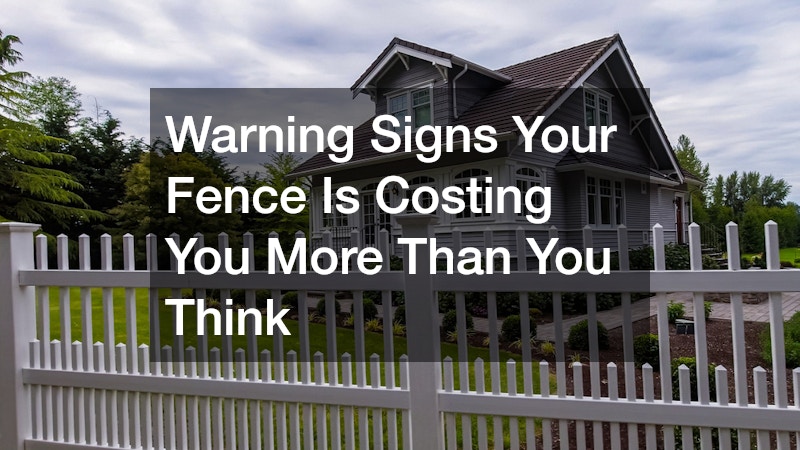
Your fence might look fine from the curb, but hidden problems can quietly drain your wallet month after month. Sagging posts, worn gates, and outdated materials often lead to bigger repair bills, lower property value, and even safety hazards you have not noticed yet. Before you write off that leaning fence line as a minor eyesore, it is worth understanding exactly how much it could be costing you. This guide walks through the warning signs homeowners tend to overlook and what they mean for your budget.
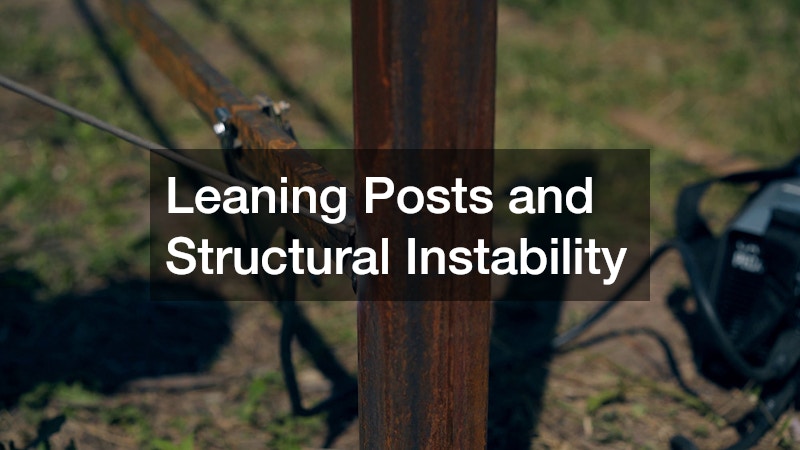
Leaning Posts and Structural Instability
A fence that tilts even slightly is telling you something about what is happening below the surface. Posts that were not set deep enough, or that have rotted at the base, lose their ability to hold panels upright, which puts strain on the entire structure. Once one post shifts, the sections attached to it start pulling apart at the joints, accelerating wear across the whole fence line. Ignoring a leaning post rarely stays a small problem for long.
The longer a leaning post goes untreated, the more likely you are to need a full section replacement instead of a simple fix. This is often where homeowners realize the value of calling in a fence contractor early rather than waiting until the damage spreads. A professional can identify whether the issue is soil erosion, water pooling, or simple age, and address the root cause instead of just the symptom.
- Check for gaps forming between posts and panels
- Look for cracked concrete footings at the base
- Note any new tilt after heavy storms or wind
- Watch for soil that looks washed out around the post
Wood Rot and Water Damage
Wood fences are especially vulnerable to moisture, and rot rarely announces itself until it has spread significantly. Soft, spongy wood, discoloration, or a musty smell near the base of your fence usually means water has been sitting against the material for a while. Left unaddressed, rot spreads from post to post and panel to panel, turning a repairable issue into a full replacement project.
Rot also creates safety risks, especially for fences bordering pools, play areas, or shared property lines. A section that looks intact from a distance may collapse under light pressure if the internal wood has broken down. Regular inspections, especially after rainy seasons, can catch this early and save you from a costly surprise later.
Rusted Hardware and Failing Hinges
Metal components like hinges, latches, and screws are often the first parts of a fence to fail, especially in climates with heavy rain or humidity. Rust weakens these connections gradually, so a gate that used to swing smoothly starts to drag, stick, or hang unevenly. This is more than a cosmetic annoyance since a poorly functioning gate can eventually pull away from its frame entirely.
When hardware fails, many homeowners assume they need a whole new gate, but often a proper gate installation using updated, weather-resistant hardware solves the problem for a fraction of the cost. Stainless steel or galvanized components tend to hold up far better over time than standard hardware, particularly in coastal or high-moisture areas. Addressing this early prevents the frame itself from warping under the stress of a misaligned gate.
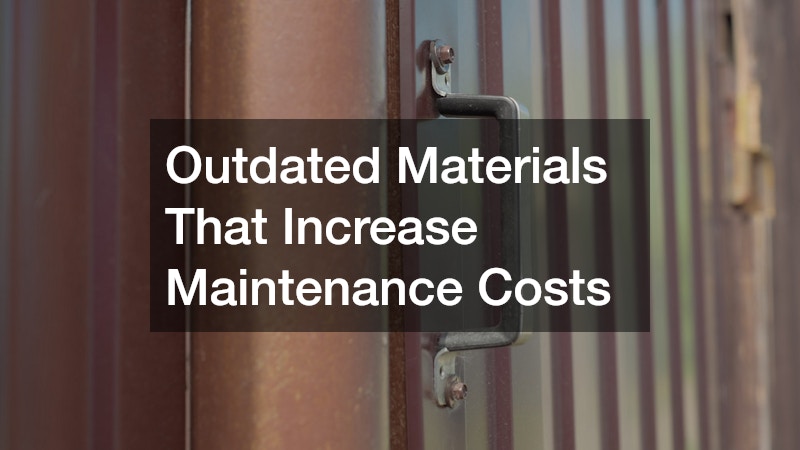
Outdated Materials That Increase Maintenance Costs
Some fencing materials simply demand more upkeep than others, and that ongoing cost adds up faster than most people expect. Wood needs regular staining or sealing, chain link can rust and sag, and older materials may not hold up well against modern weather patterns. If you find yourself repainting, resealing, or patching your fence every year, the material itself may be working against you financially.
- Wood requires resealing every one to three years depending on climate
- Chain link is prone to rust and bending over time
- Older metal fencing may need repainting to prevent corrosion
- Some materials warp or crack under extreme temperature swings
- Frequent repairs often cost more long-term than a material upgrade
Fences That No Longer Match Your Property Needs
A fence installed years ago for one purpose, like basic privacy, may no longer serve the needs you have today, whether that is containing pets, securing a pool, or improving curb appeal. A 4-foot picket fence built for a garden border, for instance, won’t stop a determined dog or meet most local pool-barrier codes, which often require a minimum height of 48 to 60 inches with self-latching gates. Life changes like a new puppy, a growing family, or a home sale can all expose these mismatches almost overnight.
When a fence stops matching its purpose, homeowners often end up patching it repeatedly instead of solving the underlying mismatch. This might mean adding chicken wire along the bottom to block a dog from squeezing through, bolting on extra height extensions, or repainting a style that still looks dated next to a renovated home. Each fix might cost a few hundred dollars on its own, but stacked over several years, these small workarounds frequently exceed what a proper replacement would have cost.
This kind of ongoing patchwork tends to cost more over time than addressing the real issue. It can also hurt resale value, since buyers and appraisers often view mismatched or visibly repaired fencing as a red flag rather than a neutral feature. Before investing in another round of repairs, it’s worth asking whether the fence still fits your property’s actual function, not just its original one.
Life Additions and Fence Changes
Sometimes a fence isn’t failing because of damage — it’s failing because your life has changed around it. Maybe you added a dog, started a garden, or now have young kids who need better containment and visibility. A structure that made sense a decade ago may simply no longer serve its purpose, no matter how sturdy it still looks.
This is often when people start researching options like vinyl fences, which resist rot, fading, and pest damage far better than aging wood structures. Vinyl also requires little more than occasional washing, making it a strong long-term option for homeowners tired of constant upkeep. Many vinyl fences carry 20 to 30 year warranties, which can offset the higher upfront cost compared to wood.
Beyond material, it’s worth reconsidering height, style, and privacy level based on your current needs. A 4-foot picket fence might have worked for aesthetics alone, but a family with a pool or pets may need a taller, more secure option. Similarly, a solid privacy fence could be replaced with semi-private panels if you now want more light or airflow in your yard.
If your current fence no longer fits your lifestyle, it may be less about repair and more about reconsidering the material and design entirely.
Damaged or Missing Fence Sections
Missing or broken sections are one of the clearest signs your fence is costing you more than it should, both in security and in appearance. A single damaged panel can compromise privacy, let pets escape, or create an entry point for unwanted visitors. Replacing individual sections quickly prevents the surrounding panels from bearing extra weight and stress they were not designed to handle.
In many cases, replacing damaged fence panels is far more affordable than people assume, especially when caught before rot or pest damage spreads to neighboring sections. Matching new panels to existing ones can be tricky depending on how old your fence is, which is another reason early replacement tends to save money and hassle. Waiting too long often means replacing more of the fence than necessary.
Pest Infestations Within Fence Materials
Termites, carpenter ants, and other wood-boring insects can quietly destroy a fence from the inside out, long before visible damage appears on the surface. Termites in particular can chew through untreated wood at a surprising pace, and a colony can go undetected for a year or more while hollowing out posts and rails. By the time you notice small holes, sawdust-like debris, or hollow-sounding wood when tapped with a knuckle, the infestation may already be extensive.
Other telltale signs include mud tubes running along fence posts, discarded insect wings near the base, or panels that feel unusually light for their size. A fence post that wobbles or crumbles at the soil line is often a red flag, since that’s where moisture and wood-boring pests tend to congregate first. Wooden fences installed without pressure treatment or a protective sealant are especially vulnerable, as are older fences where the original coating has worn away.
These pests do not stop at your fence either, often spreading toward nearby structures like sheds, decks, or even your home’s siding and framing. What starts as a $200 repair to a few fence sections can escalate into a multi-thousand-dollar termite remediation bill if the colony reaches your house. Scheduling an annual inspection, either your own visual check or a professional pest evaluation, can catch these issues early enough to save both your fence and your foundation.
- Small holes (about 1/8 inch, often in tidy rows) or tunnels in wood posts, signaling carpenter ants or wood-boring beetles
- Sawdust-like piles (frass) near the base of the fence, especially after windy or rainy days
- Hollow sound when tapping on wood panels, suggesting termites have hollowed out the interior
- Visible insect activity near joints or corners, including swarming winged termites in spring
- Soft, spongy, or crumbling wood texture around post bottoms where moisture and pests both concentrate
- Mud tubes running along posts or the ground, a telltale sign of subterranean termite highways
- Discarded wings scattered near the fence line after a termite swarm, even if you never spot live insects
Poor Installation That Leads to Recurring Problems
Sometimes the biggest cost driver is not age or weather but how the fence went up in the first place. Improperly set posts, incorrect spacing, or low-quality materials used during a rushed job often lead to repeated repairs within just a few years. This is why choosing experienced fence builders matters as much as choosing the right material.
A well-built fence should hold up through years of weather without constant intervention, so recurring issues within the same sections are a red flag worth investigating. Getting a second opinion from a local fence company can help you determine whether the original work was done correctly or whether shortcuts were taken. Catching these errors early can prevent years of ongoing repair costs.
Fencing Choices That Undercut Property Value
A tired, mismatched, or overly utilitarian fence can quietly work against your home value, even if it is technically still functional. Sagging chain-link, sun-bleached panels, or a patchwork of repair materials signal deferred maintenance to anyone evaluating the property, even if the rest of the house is in great shape. Buyers and appraisers often notice fencing that looks outdated or inconsistent with the rest of the property, which can affect first impressions during a sale.
Not every fence style ages well, and outdated chain-link or sagging wood can quietly chip away at a home’s resale value long before an appraiser shows up. Upgrading to decorative fencing or exploring options like aluminum fence installation can boost curb appeal while still offering durability and low maintenance. Aluminum in particular resists rust and holds its finish for years, making it a popular choice for residential fencing in a range of architectural styles, from craftsman bungalows to modern minimalist builds.
Cost is often the deciding factor, but it helps to think in terms of value per year rather than upfront price. A quality aluminum fence installation can run higher than basic chain-link initially, yet it may last 20 years or more without repainting, re-staining, or rust treatment. Wood, by comparison, often needs refinishing every 2-3 years to avoid warping and graying, adding hidden costs that erode any early savings.
Consistency Is Key
Buyers and appraisers also notice consistency. A fence that clashes with the home’s siding, roofline, or neighborhood standards can make a property feel neglected or mismatched, even if the structure itself is sound. Choosing a fence installation that complements existing materials, whether that means matching black metal accents or coordinating with a brick exterior, signals attention to detail throughout the home.
When your fence contributes to your home’s overall appearance instead of detracting from it, you are less likely to face costly last-minute upgrades before a sale.
A fence that seems fine on the surface can still be quietly costing you through repairs, lost curb appeal, or safety risks you have not fully considered. Paying attention to these warning signs early gives you the chance to address small issues before they become expensive projects. Whether you need a minor repair or a full replacement, taking action sooner rather than later is the most reliable way to protect both your budget and your property.