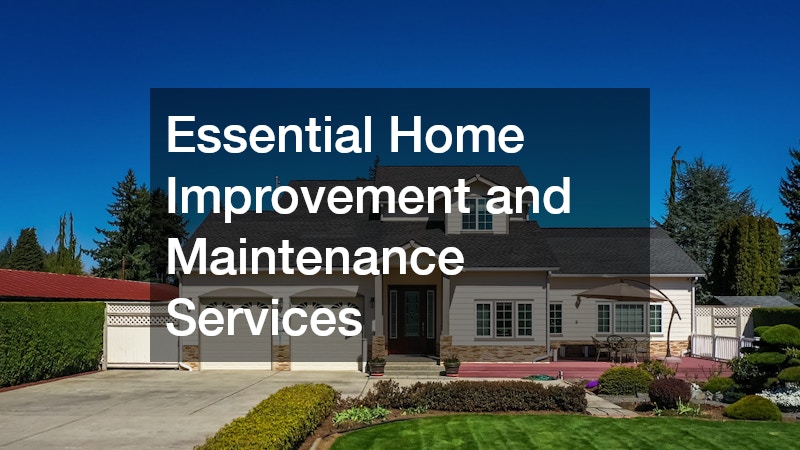
Owning a home comes with ongoing responsibilities that go far beyond basic cleaning and decorating. Every system, surface, and structure in a house experiences wear over time, and neglecting small issues can quickly lead to expensive repairs. A proactive approach to improvement and maintenance helps preserve property value, improve comfort, and prevent disruptions to daily life.
Here, the most important areas homeowners should prioritize are explored. Each section focuses on practical decision-making, common warning signs, and how to plan services effectively so improvements are strategic rather than reactive.

Plan Functional Upgrades That Improve Daily Use and Resale Value
When considering kitchen remodeling, homeowners should start with functionality before aesthetics. A well-designed layout improves workflow, storage, and safety, which ultimately benefits daily living and long-term resale appeal.
Begin by evaluating pain points in the existing space. Limited counter space, outdated cabinetry, or inefficient appliance placement can make everyday tasks frustrating. Addressing these issues may involve reconfiguring layouts, adding pull-out storage, or improving lighting rather than simply replacing finishes.
Budget planning is essential. Allocate funds toward structural and functional improvements first, such as electrical upgrades or plumbing adjustments, before cosmetic enhancements. Quality materials for cabinets, countertops, and flooring tend to yield better longevity than trend-driven finishes.
Additionally, consider how lifestyle changes may affect future needs. Open layouts can support entertaining, while durable surfaces are ideal for households with children or pets. Thoughtful planning ensures upgrades enhance usability rather than just appearance.
Ensure Safe, Leak-Free Bathroom Enclosures With Proper Installation
Bathrooms experience constant moisture exposure, making proper enclosure installation critical. Hiring a qualified shower door contractor helps ensure glass doors are installed securely, aligned correctly, and sealed to prevent leaks.
Homeowners should first assess whether framed or frameless designs best suit their space and usage habits. Frameless options offer a modern look but require precise installation and stronger glass. Framed doors may offer better water containment in smaller bathrooms.
Before installation, inspect wall conditions and floor slopes. Uneven surfaces can lead to gaps that allow water seepage, causing long-term damage behind walls or beneath flooring. Professional installers identify and correct these issues early.
Maintenance also plays a role. Regular cleaning of tracks and seals prevents mineral buildup that can weaken components. A properly installed enclosure not only enhances visual appeal but also protects surrounding materials from moisture damage.
Restore Worn Surfaces Instead of Replacing Entire Floors
Over time, foot traffic, furniture movement, and environmental exposure can degrade flooring surfaces. A professional floor refinishing service allows homeowners to restore appearance and durability without the cost and disruption of full replacement.
Before refinishing, determine whether the flooring material is suitable. Solid hardwood typically withstands multiple refinishing cycles, while engineered products may have limitations. Inspect for deep gouges, warping, or water damage that may require repair before sanding.
Refinishing also offers an opportunity to update the look of a space. Stain changes, matte versus gloss finishes, and protective coatings can dramatically alter appearance while improving resistance to scratches and moisture.
Proper timing matters. Refinishing is best scheduled during periods of low humidity to ensure finishes cure correctly. With thoughtful planning, this process can extend floor lifespan by decades.

Create Durable Outdoor Spaces Designed for Long-Term Use
Well-designed outdoor areas extend living space and enhance property value. Experienced patio builders help homeowners plan structures that balance aesthetics, drainage, and material durability.
Start by defining how the space will be used, whether for entertaining, relaxing, or dining. This influences size, layout, and material selection. Concrete, pavers, and stone each offer different benefits in terms of maintenance and longevity.
Site preparation is crucial. Poor grading or inadequate base layers can cause settling, cracking, or water pooling. Professional planning ensures proper slope and foundation support to prevent premature failure.
Incorporating shade structures, lighting, and seating during the initial build often costs less than adding them later. A thoughtfully constructed outdoor area becomes a functional extension of the home rather than a seasonal feature.
Protect Structural Integrity Through Regular Exterior Inspections
The roof plays a vital role in protecting the entire home from weather exposure. Working with a reliable roofing company for inspections helps identify issues before they escalate into major damage.
Homeowners should schedule inspections after severe storms and at least once annually. Missing shingles, deteriorated flashing, or clogged drainage systems can allow water infiltration that affects insulation, ceilings, and walls.
Understanding roof lifespan is also important. Asphalt shingles, metal panels, and tile systems age differently and require tailored maintenance strategies. Knowing when repairs are no longer cost-effective helps homeowners plan timely replacements.
Routine attention to this critical structure safeguards not only the roof itself but also the home’s overall stability and interior condition.
Maintain Indoor Comfort by Managing Mechanical Systems Proactively
Heating and cooling systems impact comfort, air quality, and energy costs. Scheduling regular HVAC Service ensures systems operate efficiently and reduces the likelihood of unexpected breakdowns.
Preventive maintenance includes filter replacement, duct inspection, and system calibration. These tasks improve airflow and reduce strain on components, extending system lifespan.
Homeowners should also monitor performance indicators such as uneven temperatures, rising energy bills, or unusual noises. Early intervention prevents small mechanical issues from becoming full system failures.
Investing in routine care supports consistent comfort throughout the year while helping manage long-term operating expenses.

Keep Outdoor Areas Healthy and Prevent Overgrowth Issues
Consistent exterior upkeep contributes to curb appeal and supports the overall health of a property. Well-maintained outdoor areas create a positive first impression while also helping prevent issues that can affect landscaping and nearby structures. Reliable lawn mowing services play a key role by keeping grass at an appropriate height, which limits weed growth, improves soil health, and discourages pests that thrive in overgrown areas.
Proper mowing schedules vary based on grass type, climate, and seasonal growth patterns. Cutting grass too short can stress plants, weaken root systems, and make lawns more susceptible to drought and disease. On the other hand, infrequent mowing allows invasive plants to establish themselves and crowd out healthy turf. Professionals understand how to adjust mowing frequency and blade height to encourage thick, resilient growth that resists weeds naturally.
Beyond mowing, comprehensive upkeep includes edging, trimming, and debris removal. Clean edges along walkways, driveways, and garden beds help prevent grass encroachment and reduce tripping hazards. Removing leaves, clippings, and organic debris minimizes moisture retention near foundations, fences, and siding, lowering the risk of decay or surface damage. These practices also improve drainage and airflow throughout the landscape.
Regular maintenance supports more than aesthetics. It promotes safer walkways, healthier plants, and easier seasonal transitions. With consistent care, outdoor areas remain functional, attractive, and manageable year-round, reducing the likelihood of costly landscaping corrections and helping homeowners enjoy their exterior spaces with confidence.
Reduce Infestations Before They Become Structural Problems
Unchecked pests can cause significant damage to a home’s structure if they are allowed to remain undetected. Rodents may chew through insulation and electrical wiring, increasing the risk of energy loss or fire hazards, while insects can weaken wood framing and compromise structural integrity over time. Engaging professional pest control services allows homeowners to identify infestations early and apply targeted solutions based on the type of pest and the severity of the problem.
Homeowners should remain alert to warning signs such as droppings, gnaw marks, hollow-sounding wood, damaged insulation, or unexplained noises within walls or ceilings. Even subtle indicators can point to an underlying issue. Early detection often means treatments can be localized and less disruptive, avoiding the need for extensive repairs or full-scale remediation.
Prevention plays a critical role in long-term pest management. Sealing cracks, gaps, and utility entry points limits access to interior spaces, while managing moisture reduces conditions that attract insects and rodents. Proper waste storage, regular cleaning, and maintaining outdoor areas away from the foundation further discourage infestations. In some cases, routine inspections are recommended to catch problems before they escalate.
A proactive approach not only helps protect the structure of the home but also supports a healthier living environment. Reducing pest activity minimizes exposure to allergens, bacteria, and contaminants that can affect occupants. With consistent monitoring and preventive care, homeowners can safeguard both their property and well-being from long-term damage.
Address Moisture Issues to Protect Indoor Air Quality
Persistent moisture problems can compromise both structural materials and occupant health if they are not addressed promptly and thoroughly. Excess moisture creates an ideal environment for mold growth, which can weaken drywall, wood framing, insulation, and flooring while also affecting indoor air quality. A qualified mold remediation company plays a critical role by identifying not only visible growth but also hidden moisture sources behind walls, under flooring, or within ventilation systems.
Effective remediation begins with proper containment to prevent spores from spreading to unaffected areas of the home. This often includes sealing off the work zone and using air filtration systems to capture airborne particles. Depending on the severity, removal of damaged materials may be necessary, followed by deep cleaning, disinfecting, and controlled drying to ensure moisture levels return to safe ranges. Simply cleaning surface mold without addressing what caused it is rarely effective.
Homeowners should also focus on correcting the underlying conditions that allow moisture to persist. Common contributors include roof leaks, plumbing issues, poor drainage, inadequate ventilation in bathrooms or basements, and high indoor humidity. Installing exhaust fans, using dehumidifiers, and sealing exterior entry points can significantly reduce future risk. Regular inspections help catch early warning signs such as musty odors, discoloration, or condensation buildup.
Resolving moisture-related problems improves indoor air quality, reduces the risk of recurring contamination, and protects the long-term integrity of building materials. Addressing these issues proactively creates a healthier, more comfortable living environment and helps ensure the home remains safe and durable over time.
Improve Natural Light While Preserving Exterior Surfaces
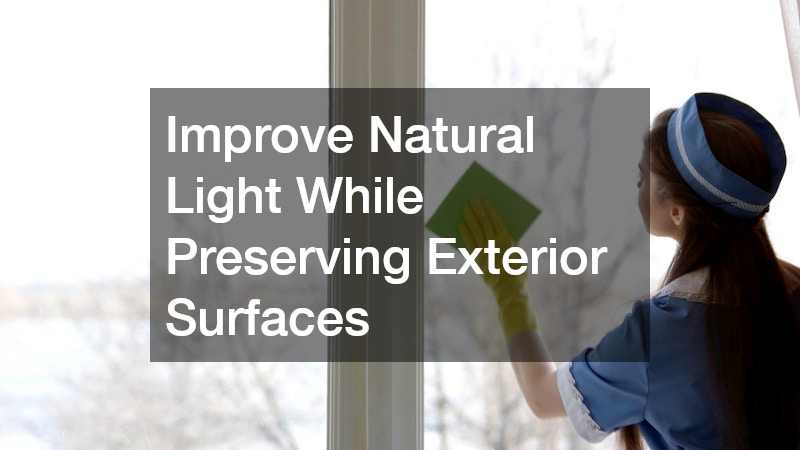
Clean windows enhance interior brightness and improve the home’s exterior appearance, making spaces feel more open, inviting, and visually appealing. Professional home window washers use specialized tools, purified water systems, and gentle cleaning solutions that remove buildup without scratching glass or damaging surrounding frames. This level of care helps preserve window materials while achieving a streak-free finish that is difficult to replicate with household supplies.
Regular cleaning does more than improve aesthetics. Dirt, mineral deposits, pollen, and salt residue can slowly etch glass surfaces and weaken seals over time. Once seals begin to degrade, moisture infiltration and energy loss can follow. This is especially relevant in regions with high humidity, coastal exposure, or heavy air pollution, where residue accumulates more quickly. Keeping windows clean supports both clarity and long-term performance.
Safety is another critical consideration. Multi-story homes, skylights, and hard-to-reach windows present fall risks when homeowners attempt to clean them without proper equipment. Professionals are trained to work at heights using ladders, harnesses, and safety protocols that reduce the chance of injury or property damage. They also know how to identify potential issues, such as cracked panes or failing seals, during routine cleanings.
Consistently maintained windows allow more natural light to enter the home, reducing reliance on artificial lighting and creating a brighter, more comfortable living environment. Over time, this simple maintenance task contributes to a polished exterior, improved indoor ambiance, and a home that feels thoughtfully cared for throughout every season.
A well-maintained home is the result of consistent attention, informed decisions, and timely action. Addressing critical areas before problems escalate helps homeowners avoid costly repairs while enhancing comfort and usability. Small issues, when left unattended, often grow into larger, more disruptive problems that affect multiple parts of the home. A proactive mindset allows homeowners to plan improvements on their own schedule rather than reacting to emergencies that demand immediate and often expensive solutions.
Understanding when to restore, upgrade, or maintain various parts of a property also supports long-term financial stability. Routine maintenance preserves the lifespan of materials, systems, and structural components, reducing the need for premature replacements. Strategic upgrades can improve energy efficiency, safety, and functionality, while well-timed restorations help retain the original character and integrity of the home. Each decision plays a role in protecting both comfort and investment value.
Beyond financial benefits, regular upkeep contributes to a healthier living environment. Proper ventilation, moisture control, and clean surfaces help reduce allergens, odors, and indoor air concerns. Well-maintained spaces also encourage daily routines to run smoothly, minimizing stress caused by breakdowns or disrepair. Over time, these efforts add up to a home that feels reliable, welcoming, and adaptable. With thoughtful planning and consistent care, homeowners can ensure their living spaces remain functional, efficient, and enjoyable for many years to come.